83%
of hires fail due to rushed or passive recruiting.
Top rated specialist

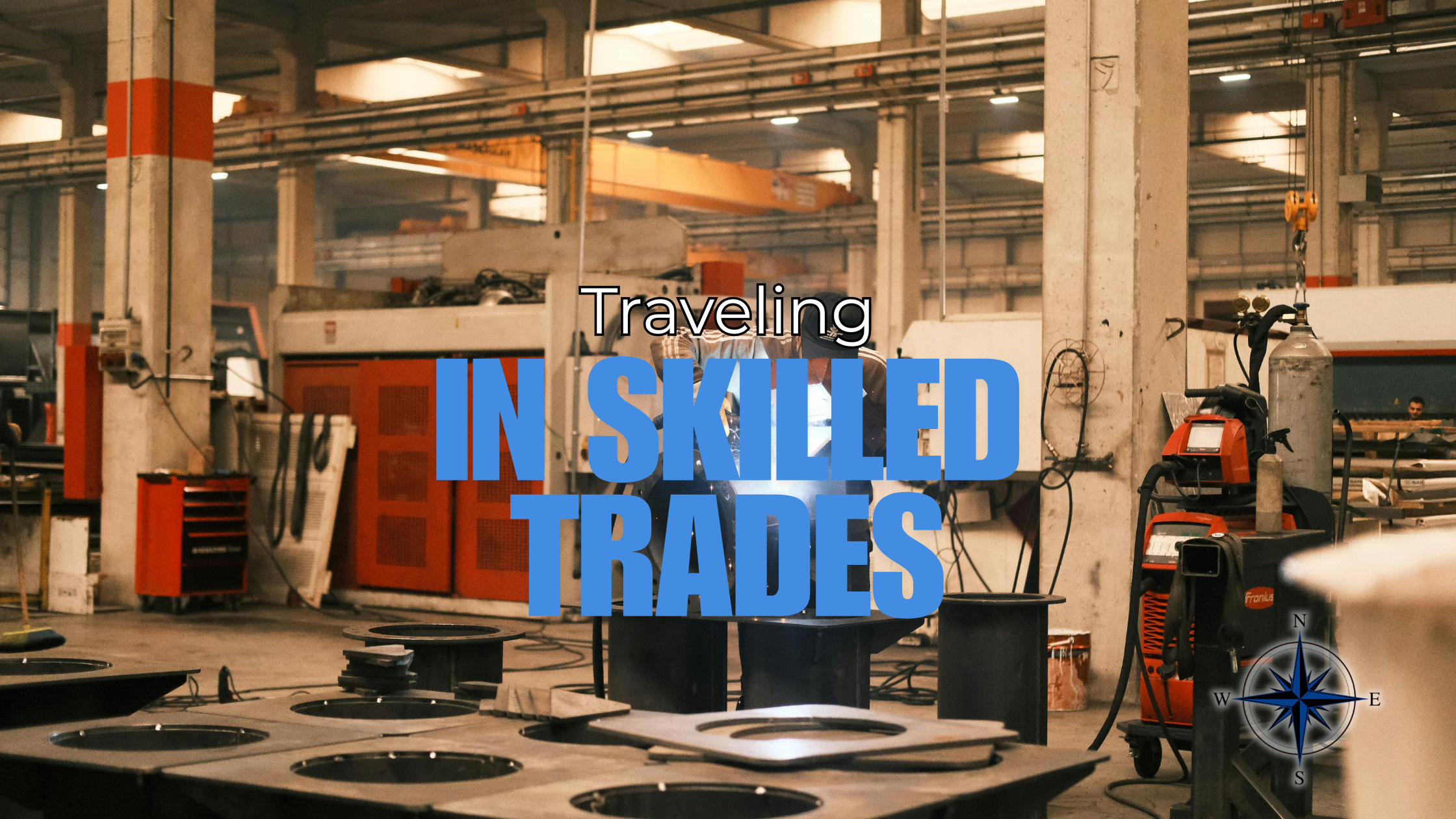
For some people, going to work means driving 20 minutes down the road.
For others, it means packing a suitcase, loading up a truck, and driving hundreds of miles to a jobsite they've never seen before.
New city. New crew. New project. New schedule.
And sometimes, weeks or even months away from home.
That's the reality for thousands of skilled tradespeople across America.
Welders, pipefitters, millwrights, electricians, boilermakers, equipment operators, and countless other industrial professionals regularly travel wherever the work takes them.
It's a lifestyle that can create incredible opportunities, but it also comes with challenges that people outside the industry don't always understand.
At Southern Response Services, we work with skilled professionals pursuing opportunities across the country. We understand that accepting a traveling position is about more than an hourly wage or a per diem rate.
It's a decision that affects careers, families, finances, and everyday life.
And behind every traveling tradesperson is a story worth recognizing.
Industrial projects don't always happen close to home.
A manufacturing facility in one state may need additional welders for an outage.
A refinery hundreds of miles away may require experienced pipefitters.
A major construction project may need qualified equipment operators for several months.
A plant turnaround may require an entire workforce to mobilize for a short period.
When the demand for skilled labor increases in a particular location, workers often have to travel to meet it.
For some, traveling is an occasional part of their career.
For others, it's how they've made a living for decades.
They follow the work, moving from one project to the next, building experience and relationships along the way.
And while the locations may change, their commitment to their craft remains the same.
One of the biggest reasons skilled workers travel is opportunity.
Traveling can open doors that may not be available in someone's hometown.
Certain regions have more demand for particular trades.
Some projects offer higher hourly rates, overtime opportunities, or per diem.
Others provide valuable experience with specialized equipment, facilities, and industrial processes.
A worker who is willing to travel may gain exposure to different industries and work environments that help strengthen their skills.
Over time, those experiences can make them more versatile and competitive in their trade.
For many workers, traveling isn't simply about finding the next paycheck.
It's about building a career and creating opportunities for the people depending on them.
When considering a traveling position, it's easy to focus on the hourly pay.
And understandably so.
But experienced travelers know the hourly rate is only part of the equation.
Before accepting an opportunity, workers should understand the full picture.
How many hours are expected each week?
Is overtime available?
How long is the project expected to last?
Is per diem offered, and what are the eligibility requirements?
Are travel expenses reimbursed?
Will lodging be provided, or will the worker need to arrange accommodations?
What certifications or testing are required?
When is the expected start date?
These details can make a significant difference in whether a traveling opportunity is financially worthwhile.
For example, a position offering a higher hourly rate may not necessarily produce more take-home income if lodging, transportation, and other expenses are substantially higher.
That's why understanding the entire compensation package matters.
A good opportunity isn't just about what you earn. It's about what you actually bring home.
Per diem is a familiar term throughout the traveling industrial workforce.
Depending on the employer and project, it may help workers cover lodging, meals, and other expenses associated with working away from home.
But receiving per diem doesn't automatically mean every expense is covered.
Hotel prices vary.
Fuel costs add up.
Food can become expensive.
Unexpected vehicle repairs happen.
And some workers are still maintaining the expenses of a household back home.
Experienced travelers often learn to budget carefully.
They research lodging before arriving.
They plan their routes.
They keep track of expenses.
They understand the terms of their assignments.
And they try to avoid spending money unnecessarily while on the road.
Traveling for work can be financially rewarding, but managing that income responsibly is an important part of making the opportunity worthwhile.
Ask someone who has spent years traveling for industrial jobs what the hardest part is, and the answer may surprise you.
It isn't always the long shifts.
It isn't always the weather.
It isn't always the physical demands of the job.
Sometimes, it's everything happening back home.
Missing birthdays.
Missing anniversaries.
Missing ballgames.
Missing school events.
Missing holidays.
Missing ordinary evenings around the dinner table.
For workers with spouses and children, time away can be one of the most difficult parts of the lifestyle.
And for the families at home, the sacrifice can be just as real.
While one person is working long shifts hundreds of miles away, someone else may be handling the everyday responsibilities of the household.
The traveling trades lifestyle often requires sacrifice from more than just the person wearing the hard hat.
When we recognize hardworking industrial employees, it's important to remember the people supporting them.
The spouses keeping things moving at home.
The children counting down the days until Mom or Dad returns.
The parents and family members offering encouragement.
The people answering late-night phone calls after long shifts.
These families are often part of the reason workers accept traveling opportunities in the first place.
They're working toward financial goals.
Providing for their children.
Building savings.
Paying off debt.
Creating a better future.
That doesn't make being away easy.
But it gives the sacrifice purpose.
Behind many traveling tradespeople is a family making its own sacrifices to support the work.
And that deserves recognition.
Traveling from project to project can make everyday life feel unpredictable.
Different hotels.
Different schedules.
Different jobsites.
Different coworkers.
Different cities.
But developing a routine can make life on the road more manageable.
For some workers, that means preparing meals instead of eating out every night.
For others, it means exercising after work, staying connected with family, or setting aside time to rest.
It may mean calling home at the same time each evening.
It may mean planning days off around family activities.
It may simply mean making sure you're getting enough sleep between demanding shifts.
Long hours and unfamiliar environments can take a toll over time.
Taking care of yourself outside the jobsite helps you show up prepared when the next shift begins.
One of the unique challenges of traveling industrial work is constantly adapting.
Even if you've been welding for 20 years, a new facility may have different procedures.
A new contractor may have different expectations.
A new jobsite may require additional orientation, testing, or certifications.
Equipment may be different.
The schedule may be different.
The crew may be made up of people you've never met.
Experience is valuable, but flexibility matters too.
Successful traveling workers understand the importance of learning the expectations of each new project.
They arrive prepared.
They communicate.
They follow site-specific safety requirements.
They ask questions when necessary.
And they understand that being experienced doesn't mean there's nothing new to learn.
One of the rewarding parts of traveling for work is the people you meet.
Over the course of a career, a traveling tradesperson may work alongside hundreds of skilled professionals from across the country.
Some become lifelong friends.
Some become trusted coworkers.
Some become future supervisors.
Others may help connect workers with opportunities years down the road.
It's not uncommon for skilled tradespeople to cross paths multiple times throughout their careers.
You may work with someone in Alabama, run into them again on a project in Texas, and find yourselves on the same crew years later in another state.
The industrial world is often smaller than people realize.
And the relationships built on jobsites can last long after the project is complete.
Just because an opportunity is available doesn't mean it's the right opportunity for every worker.
Some people thrive on the road.
They enjoy seeing new places, meeting new people, and taking on different projects.
Others prefer the consistency of working close to home.
And some workers find that their preferences change as their families and careers evolve.
There's no single path that works for everyone.
Before accepting a traveling assignment, it's important to consider the schedule, compensation, project duration, living arrangements, and personal responsibilities.
A position that makes sense for one worker may not make sense for another.
The goal should be finding an opportunity that aligns with both professional and personal needs.
Traveling tradespeople play an important role in industrial operations.
Large projects frequently require specialized skills or additional manpower that may not be available locally.
A facility preparing for a major outage may need to bring in workers from several states.
A construction project may require a temporary increase in manpower to meet critical deadlines.
A contractor may need qualified specialists for a particular phase of work.
Without workers willing to travel, many of these projects would be much more difficult to complete.
Their willingness to leave familiar surroundings and report to jobsites across the country helps companies respond to changing workforce demands.
That flexibility is an important part of the industrial economy.
For traveling employees, accurate information before arriving at a jobsite is extremely important.
Workers may be making significant commitments based on the details of an assignment.
They may be arranging lodging.
Taking time away from family.
Driving hundreds of miles.
Leaving another opportunity.
Spending money before their first paycheck.
That's why communication between employers, staffing partners, and employees matters.
Workers need clear information about the job requirements, pay structure, expected schedule, testing, location, and anticipated duration.
And when project details change, timely communication helps everyone make informed decisions.
At Southern Response Services, we understand the importance of helping workers navigate these opportunities with the information they need.
Because when someone is traveling a long distance for work, the details matter.
It's easy to look at a traveling industrial position and see numbers.
An hourly rate.
A per diem amount.
A weekly schedule.
A project duration.
But behind those numbers is a person making a decision about their future.
Someone may be taking the job to provide for their family.
Someone may be saving for a house.
Someone may be working toward retirement.
Someone may be gaining experience to advance their career.
Someone may simply enjoy the lifestyle and the opportunity to work in different places.
Whatever the reason, the decision to travel for work is personal.
And the men and women who make those decisions deserve respect for the commitment involved.
At Southern Response Services, we're proud to serve the hardworking men and women of America's industrial workforce.
That includes the workers who leave home before sunrise.
The ones driving through the night to reach a new project.
The ones spending weeks in hotels.
The ones working long shifts and counting down the days until they can see their families again.
The ones who go wherever their skills are needed.
We recognize that the work you do requires more than technical ability.
It requires dedication.
Adaptability.
Discipline.
Sacrifice.
And a willingness to pursue opportunities even when they take you far from home.
To the families supporting those workers, your contribution matters too.
Because behind every successful industrial project are people whose sacrifices often extend far beyond the jobsite.
The work may take you hundreds of miles from home, but the reason you're doing it often starts with the people waiting for you there.
At Southern Response Services, we're proud to connect skilled professionals with opportunities across the industrial workforce.
Southern Response Services
Connecting hardworking people with opportunities. Supporting the workforce that keeps America moving.