83%
of hires fail due to rushed or passive recruiting.
Top rated specialist

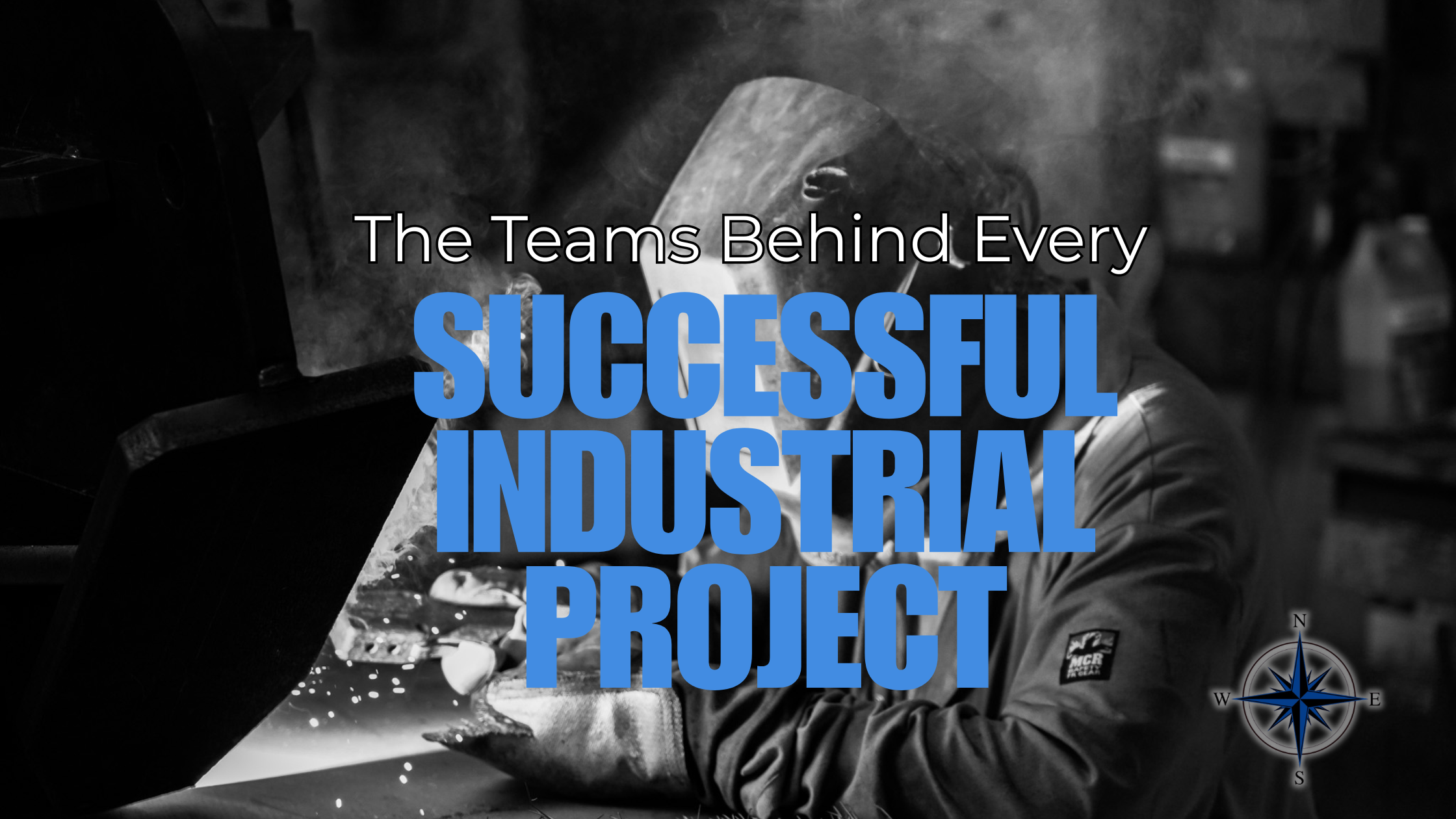
When people think about an industrial project, they usually picture the jobsite.
Welders striking arcs.
Pipefitters making connections.
Equipment operators moving materials.
Electricians installing systems.
Millwrights maintaining machinery.
Crews working long hours to keep a project on schedule.
And rightfully so.
These skilled men and women are the backbone of industrial operations. Without them, the work simply doesn't get done.
But there's another side of the industry that doesn't always receive the same attention.
The people making phone calls before sunrise.
The recruiters searching for qualified craftsmen.
The payroll professionals making sure employees are paid correctly.
The HR teams processing paperwork.
The coordinators handling last-minute changes.
The administrative staff keeping information organized and operations moving.
They may not wear hard hats every day, but their work directly impacts the people who do.
At Southern Response Services, we understand that a successful industrial project requires more than the people physically performing the work.
It takes an entire team working together, both inside and outside the jobsite.
Long before a contractor opens the gate for a new employee, there's work happening behind the scenes.
An employer identifies a need.
Maybe a major outage is approaching.
Maybe a construction project is expanding.
Maybe a facility needs additional manpower to meet production demands.
Maybe an unexpected change has created an immediate opening.
Whatever the situation, someone has to turn that need into a plan.
What positions are required?
How many workers are needed?
What qualifications must they have?
When do they need to start?
How long will the project last?
What is the schedule?
Where will they report?
Those questions must be answered before the first worker ever arrives.
And that process often begins with the people coordinating staffing and operations behind the scenes.
Recruiting in the industrial world isn't as simple as posting a job opening and waiting for applications.
Industrial positions frequently require specific skills, certifications, testing, experience, and availability.
A contractor may need welders qualified for a particular process.
A facility may require electricians with industrial experience.
A project may need workers who can travel immediately.
And sometimes, the timeline is measured in hours instead of weeks.
That's where recruiters come in.
They're making calls.
Reviewing qualifications.
Discussing opportunities.
Coordinating testing.
Confirming availability.
Communicating with employers.
Following up with candidates.
And working to make sure the right people are connected with the right opportunities.
Recruiters often serve as the first point of contact between a worker and a company.
The way they communicate can shape an employee's entire experience.
A strong recruiter doesn't simply look for someone willing to accept a job.
They work to understand whether that person is qualified, available, and prepared for the opportunity.
Because a successful placement starts with finding the right fit.
Industrial projects don't always operate on a traditional Monday-through-Friday schedule.
Neither do the challenges that come with staffing them.
An employee may need information about a jobsite before leaving home.
A contractor may need additional workers for an unexpected schedule change.
A candidate may have questions about testing requirements.
A project may need to adjust its start date.
And sometimes, those conversations happen early in the morning, late in the evening, or over the weekend.
Behind many successful placements is a recruiter or coordinator who has spent hours communicating, organizing, and solving problems.
That work isn't always visible.
But when everything comes together and the right employees arrive ready to work, the results are.
Before a new employee begins working, there's usually a process that must be completed.
Employment documents.
Identity and work authorization verification.
Required screenings.
Policy acknowledgments.
Benefits information, when applicable.
Safety and onboarding requirements.
And other records depending on the position and employer.
These details may seem routine, but they serve an important purpose.
They help employers and employees begin their working relationship with accurate information and proper documentation.
HR professionals are responsible for helping manage these processes while maintaining confidentiality and supporting compliance with applicable requirements.
Their work requires organization, attention to detail, and the ability to communicate with people from many different backgrounds.
When onboarding goes smoothly, employees may never realize how much preparation happened before their first day.
That's often a sign that the team behind the process has done its job well.
For employees, payday matters.
People have mortgages.
Rent.
Car payments.
Groceries.
Children.
Bills.
Families depending on them.
When someone puts in the hours, they expect their pay to be accurate and on time.
And they should.
But industrial payroll can involve more moving pieces than many people realize.
Employees may work different shifts.
Some projects include overtime.
Others involve per diem or travel-related compensation.
Workers may move between assignments.
Time records may require verification.
Schedules may change.
Payroll professionals must help ensure that the information is accurate, compensation is calculated according to applicable requirements, and employees are paid correctly.
A small error can create frustration for someone who has worked hard all week.
That's why payroll teams play such an important role in maintaining employee confidence.
They may not be the most visible part of an industrial project, but their work affects every employee receiving a paycheck.
Taking care of the workforce includes taking care of the details that matter to them.
Industrial projects involve a lot of moving parts.
Employees.
Contractors.
Schedules.
Locations.
Testing.
Orientations.
Documentation.
Travel arrangements.
Reporting instructions.
And sometimes, unexpected changes that affect several of those things at once.
Project coordinators and support personnel help connect the different pieces.
They communicate information.
Track updates.
Coordinate schedules.
Help address questions.
And work to make sure the right people know what they need to know.
Without strong coordination, even simple issues can create unnecessary delays.
A worker reporting to the wrong location can lose valuable time.
An unclear start date can create confusion.
Missing information can slow onboarding.
A change that isn't communicated can affect an entire crew.
Good coordination helps prevent those problems before they reach the jobsite.
Safety is a responsibility shared by everyone involved in industrial operations.
While field crews and site leadership carry out critical safety responsibilities on the jobsite, support teams also contribute to the process.
They may help coordinate required training records, communicate site-specific requirements, verify documentation, and assist with onboarding procedures.
The exact responsibilities vary by employer and project, but the objective remains important.
Workers need to understand the requirements associated with their assignments before beginning work.
A safer workplace depends on communication, preparation, accountability, and cooperation between field personnel and the teams supporting them.
Safety doesn't begin when someone picks up a tool.
It begins with preparation.
It's easy to view office personnel and field employees as two completely separate groups.
But in reality, their responsibilities are connected.
The field crew depends on the office for accurate information, staffing coordination, administrative support, and payroll.
The office depends on the field for accurate time records, communication, completed documentation, and updates when circumstances change.
When those relationships work well, everyone benefits.
When communication breaks down, problems can quickly develop.
An employee may have a question that never reaches the right person.
A schedule change may not be communicated.
Incorrect information may delay a process.
A payroll discrepancy may take longer to resolve.
That's why teamwork between the office and the field is just as important as teamwork among the trades on a jobsite.
Everyone has a role.
And every role affects someone else.
People often recognize the physical demands of industrial work.
The heat.
The cold.
The long shifts.
The difficult environments.
The demanding schedules.
Those challenges deserve recognition.
But there are different kinds of pressure behind the scenes.
A recruiter trying to fill several urgent positions before a project begins.
A payroll professional working to resolve an issue before checks are processed.
An HR employee managing a large group of new hires.
A coordinator handling unexpected changes.
An administrative employee balancing several responsibilities at once.
These roles may not involve the same physical demands as fieldwork, but they still require focus, accountability, and the ability to perform under pressure.
The best teams understand that different responsibilities come with different challenges.
And they respect the work required on both sides.
Today's staffing and industrial operations rely on technology more than ever.
Applicant tracking systems.
Digital onboarding.
Payroll software.
Scheduling tools.
Online communication.
Electronic documentation.
These systems can improve efficiency and help teams manage large amounts of information.
But technology doesn't eliminate the need for people.
Someone still has to verify the information.
Someone still has to answer the phone.
Someone still has to resolve the issue.
Someone still has to communicate with the worker.
Someone still has to make decisions when something doesn't go according to plan.
Technology is a valuable tool.
But it's the people using those tools who make the process work.
For an industrial contractor, successful staffing often looks simple from the outside.
The company requests qualified manpower.
The workers arrive.
The project moves forward.
But behind that process may be dozens of conversations, hours of coordination, documentation, scheduling, and follow-up.
When everything goes smoothly, much of that effort goes unnoticed.
And that's okay.
The goal of a strong support team isn't necessarily to be seen.
It's to make sure the people depending on them have what they need.
Still, that doesn't mean their contributions should be overlooked.
Reliable service is rarely an accident.
It's the result of people consistently doing their jobs well.
An industrial company may be known for the projects it completes.
A staffing company may be known for the workers it provides.
But neither succeeds through one department alone.
Recruiting matters.
Human resources matters.
Payroll matters.
Safety matters.
Operations matter.
Administration matters.
Sales and client relationships matter.
And most importantly, the skilled men and women performing the work matter.
Each role supports the others.
When one department succeeds, it helps create opportunities for the entire organization.
When one department struggles, the effects can reach far beyond that individual team.
That's why building a strong workforce requires building a strong support system around it.
It's important to celebrate the welder who completes a difficult job.
The operator who handles a challenging task.
The electrician who solves a complicated problem.
The crew that finishes a project safely and on schedule.
Those accomplishments deserve recognition.
But it's also important to recognize the recruiter who worked tirelessly to get that crew assembled.
The HR employee who processed the paperwork.
The payroll professional who made sure everyone was paid.
The coordinator who kept the schedule organized.
The administrative team that handled the countless details along the way.
Their contributions may look different.
But they all help make the finished project possible.
At Southern Response Services, we're proud of the hardworking men and women we connect with opportunities throughout the industrial workforce.
We're also proud of the people working behind the scenes to support those employees and the companies that depend on them.
Our recruiters.
Our payroll professionals.
Our HR personnel.
Our coordinators.
Our administrative and operations teams.
Every person plays a part in helping Southern Response serve its clients and workforce.
Because industrial staffing is about more than filling positions.
It's about relationships.
Communication.
Trust.
Preparation.
Accountability.
And people working together toward a common goal.
The next time you see an industrial crew hard at work, remember that their success often involves more people than those standing on the jobsite.
There are teams behind those teams.
People handling the details.
People answering the calls.
People solving problems.
People making sure the work can move forward.
The work may happen on the jobsite, but the effort behind it reaches much further.
And at Southern Response Services, we're proud of every person who plays a role in keeping that work moving.
Southern Response Services
One team. One mission. Connecting people and keeping industry moving.