83%
of hires fail due to rushed or passive recruiting.
Top rated specialist

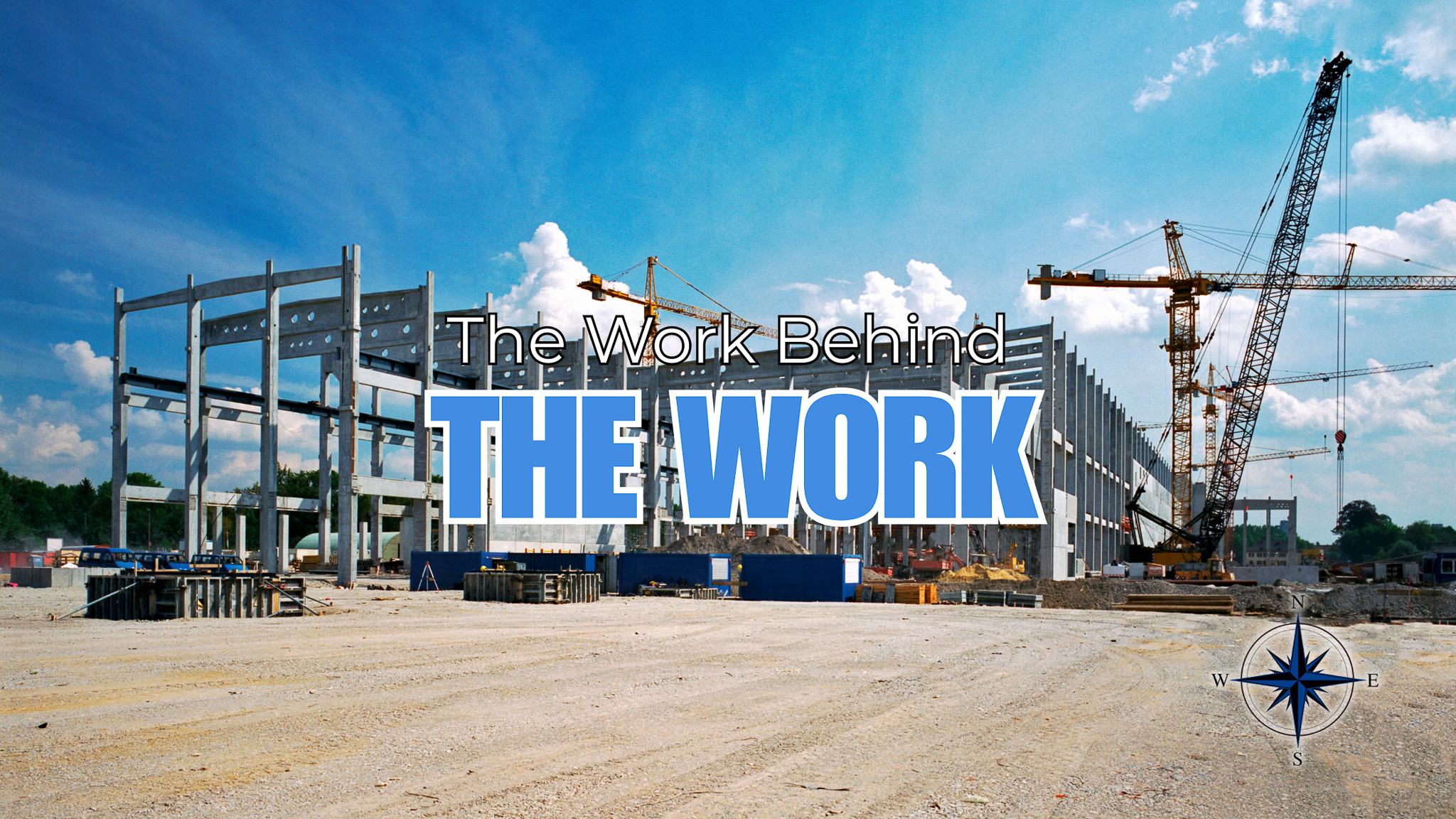
When people think about an industrial project, they usually picture the work happening in the field.
Welders striking arcs.
Pipefitters installing systems.
Equipment operators moving materials.
Electricians making connections.
Millwrights maintaining machinery.
Crews working long shifts to meet demanding deadlines.
That's the part of the project everyone sees.
But long before the first worker arrives at the gate, an entirely different kind of work has already begun.
Schedules are being developed.
Materials are being ordered.
Equipment is being coordinated.
Manpower requirements are being evaluated.
Safety procedures are being reviewed.
Contractors are communicating.
Budgets are being established.
And countless decisions are being made that will ultimately determine how smoothly the project moves forward.
At Southern Response Services, we understand that successful industrial projects don't begin when the first tool is picked up.
They begin with the preparation that happens long before anyone steps onto the jobsite.
Industrial projects are complicated.
Whether it's a major plant turnaround, a facility expansion, a construction project, or routine maintenance, there are numerous moving pieces that must come together.
And those pieces rarely operate independently.
One contractor may need another crew to complete its work before beginning.
Equipment may need to arrive on a specific date.
Materials may have long lead times.
Inspections may be required before work can continue.
Specialized workers may need certifications or testing before reporting to the site.
Without a clear plan, these moving parts can quickly create confusion.
That's why successful project planning begins with understanding the full scope of the work.
What needs to be accomplished?
What resources are required?
How long should each phase take?
What challenges could arise?
And perhaps most importantly, what needs to happen before the next phase can begin?
These questions create the foundation for everything that follows.
Every project has a timeline.
But a schedule isn't simply a list of dates.
It's a roadmap showing how different tasks, trades, resources, and responsibilities connect.
Consider a project involving structural steel installation.
Before the steel can be erected, site preparation and foundation work may need to be completed.
Before certain components can be installed, materials must be delivered and inspected.
Before the next phase begins, previous work may need to be verified.
Each step depends on another.
When one task falls behind, it can affect everything scheduled after it.
That's why project managers and supervisors spend so much time coordinating schedules.
They're not simply trying to determine when the work will be finished.
They're trying to understand how to keep every phase moving without unnecessary interruptions.
One of the most important parts of industrial project planning is determining the workforce required to complete the job.
How many welders will be needed?
How many pipefitters?
Will the project require electricians, millwrights, boilermakers, equipment operators, or specialized technicians?
When will each trade be needed?
How long will they be needed?
What qualifications must they have?
These questions matter because manpower requirements often change throughout a project.
A construction job may need a large crew during one phase and a smaller, more specialized workforce during another.
A plant outage may require additional workers for a short, demanding period.
A facility expansion may involve multiple trades arriving at different stages.
Bringing in too few workers can create delays.
Bringing in too many workers before they're needed can create unnecessary costs and congestion.
The goal is to have the right number of qualified people available at the right time.
That's where effective workforce planning becomes an important part of overall project success.
Imagine having an experienced crew ready to work.
The equipment is on-site.
The schedule is established.
The workers are prepared.
But the materials haven't arrived.
Now what?
Even the most qualified workforce can't complete a task without the necessary resources.
Material availability is one of the many factors that project planners must consider before work begins.
Some materials can be obtained quickly.
Others may require specialized fabrication, long lead times, or additional inspections.
If those requirements aren't identified early, they can affect the entire project schedule.
Strong planning means understanding what materials are needed, when they'll be needed, and what alternatives or adjustments may be available if a delivery is delayed.
Because a crew standing around waiting on materials isn't just frustrating.
It's expensive.
Industrial projects often depend on specialized equipment.
Cranes.
Forklifts.
Manlifts.
Welding machines.
Generators.
Compressors.
Heavy machinery.
Testing equipment.
And countless other tools required to complete specific tasks.
But simply having equipment available isn't enough.
It must be appropriate for the work.
It must be in suitable operating condition.
It must be available when needed.
And it must be operated by qualified personnel.
A crane scheduled for the wrong day can delay a lift.
An unavailable manlift can affect an installation crew.
A piece of equipment that hasn't been properly inspected may need to be taken out of service.
These situations highlight why equipment coordination must be part of the planning process.
The right equipment, in the right place, at the right time, can make a significant difference in productivity.
Safety should never be something a project team begins thinking about after work starts.
Industrial environments involve serious hazards, and identifying those hazards early is an important part of preparing for the work.
Depending on the project, planning may involve reviewing site-specific safety requirements, evaluating work activities, coordinating permits, identifying training needs, and establishing procedures for higher-risk tasks.
Some work may involve confined spaces.
Other tasks may require fall protection.
Certain operations may involve hot work, electrical hazards, heavy lifting, or hazardous materials.
Each situation requires appropriate preparation and controls.
When safety considerations are incorporated into the planning process, crews are better positioned to understand the risks associated with their assignments.
A well-planned project doesn't treat safety as an obstacle to productivity. It treats safety as part of the process.
Even the best plan can fall apart without communication.
Industrial projects often involve several contractors, multiple trades, supervisors, project managers, vendors, and support personnel.
Each group has its own responsibilities.
But those responsibilities frequently overlap.
A change in one area may affect another.
A delayed delivery may change the installation schedule.
A revised drawing may affect fabrication.
A shift in manpower may require adjustments to equipment availability.
An unexpected site condition may require additional coordination.
That's why communication must remain consistent throughout the project.
Workers need clear instructions.
Supervisors need accurate updates.
Project managers need to understand potential delays.
Contractors need to coordinate their activities.
And everyone needs to know when the plan changes.
Strong communication doesn't eliminate every challenge.
But it can prevent confusion from becoming an additional problem.
One of the most overlooked aspects of industrial planning is understanding how one task affects another.
A project may involve dozens or even hundreds of individual activities.
But not all of those activities can happen at the same time.
Some work must be completed before another phase can begin.
These relationships are known as project dependencies.
For example, equipment may need to be isolated before maintenance begins.
Certain inspections may need to be completed before systems are returned to service.
Structural work may need to be finished before additional components can be installed.
When these dependencies are overlooked, crews may arrive ready to work only to discover that the job isn't ready for them.
That creates unnecessary delays and can increase costs.
Effective planning identifies these relationships early so that the project can move forward in a logical and coordinated sequence.
No matter how much preparation goes into a project, unexpected challenges will happen.
Weather changes.
Equipment breaks down.
Materials are delayed.
Work takes longer than expected.
Site conditions differ from what was anticipated.
Manpower availability changes.
That's simply part of industrial work.
But good planning isn't about predicting every possible problem.
It's about preparing the team to respond when problems occur.
That may involve developing contingency plans, identifying alternative resources, allowing appropriate schedule flexibility, and establishing clear communication procedures.
The goal isn't to create a plan that never changes.
It's to create a plan that can be adjusted without losing sight of the overall objective.
Planning isn't only the responsibility of project managers and office personnel.
Experienced field workers can provide valuable insight during the preparation process.
A seasoned welder may identify potential fabrication challenges.
An experienced pipefitter may recognize access limitations.
An equipment operator may notice site conditions that could affect machinery.
A millwright may identify additional steps required for equipment installation.
These perspectives can help project teams identify issues that might otherwise go unnoticed until work begins.
That's why collaboration between management and field personnel is so valuable.
The people performing the work often understand practical challenges that may not be obvious on paper.
Including that knowledge in the planning process can help create more realistic schedules and expectations.
When preparation is overlooked, the consequences can affect nearly every part of a project.
Workers may arrive before the site is ready.
Equipment may be unavailable.
Materials may be missing.
Crews may receive conflicting instructions.
Tasks may need to be rescheduled.
Additional labor hours may be required.
And project deadlines may become increasingly difficult to meet.
These problems don't always result from a lack of effort.
Sometimes, they result from a lack of coordination.
A hardworking crew can only accomplish so much when the resources and information they need aren't available.
That's why investing time in planning can help reduce unnecessary costs later.
The time spent preparing for a project is often far less expensive than the time lost correcting preventable problems.
Workforce planning is an area where a dependable staffing partner can provide meaningful support.
Industrial employers frequently face changing manpower demands.
A project may require additional workers on short notice.
A specialized trade may be difficult to source locally.
A facility may need qualified personnel for a temporary assignment.
A contractor may be preparing for a major increase in workload.
At Southern Response Services, we work with industrial, technical, and environmental employers to understand their workforce requirements and connect them with qualified candidates.
Our goal is to help companies prepare for their staffing needs rather than waiting until a shortage becomes a major problem.
That means understanding the positions required, the qualifications involved, the anticipated schedule, and the expectations of the assignment.
Because when manpower is part of the planning process, employers are better positioned to keep projects moving.
There's a noticeable difference between a crew arriving at a well-prepared jobsite and one arriving at a project filled with uncertainty.
When expectations are clear, workers know what they're supposed to accomplish.
When materials are available, crews can focus on their tasks.
When equipment is coordinated, unnecessary delays are reduced.
When safety requirements are understood, employees are better prepared for the work.
And when communication is strong, everyone has a better understanding of how their responsibilities fit into the bigger picture.
That preparation creates confidence.
Workers can focus on doing their jobs.
Supervisors can focus on leading their crews.
Project managers can focus on coordinating the overall operation.
And employers can focus on delivering results.
Industrial projects are often measured by what happens in the field.
The structures built.
The equipment installed.
The systems repaired.
The deadlines met.
The finished product delivered.
But behind every successful project is a tremendous amount of preparation that most people never see.
The schedules.
The planning meetings.
The manpower coordination.
The material orders.
The equipment arrangements.
The safety reviews.
The conversations.
The countless details that have to come together before the first worker ever picks up a tool.
At Southern Response Services, we're proud to support the companies and skilled professionals who make these projects possible.
We understand that the success of an industrial operation depends on more than simply having people available.
It depends on having the right people, the right resources, and the right preparation.
Because the strongest projects aren't built on hard work alone.
They're built on the planning that allows hard work to succeed.
And while the finished project may be what everyone remembers, the work that made it possible started long before the first shift.
Southern Response Services
Connecting qualified people. Supporting successful projects. Keeping industry moving.