83%
of hires fail due to rushed or passive recruiting.
Top rated specialist

You wake up and turn on the lights.
You take a shower.
You make coffee.
You get in your vehicle and drive to work.
You stop for fuel.
You walk into a grocery store filled with products.
You order something online and expect it to arrive at your door.
Most of us move through these moments without giving them much thought.
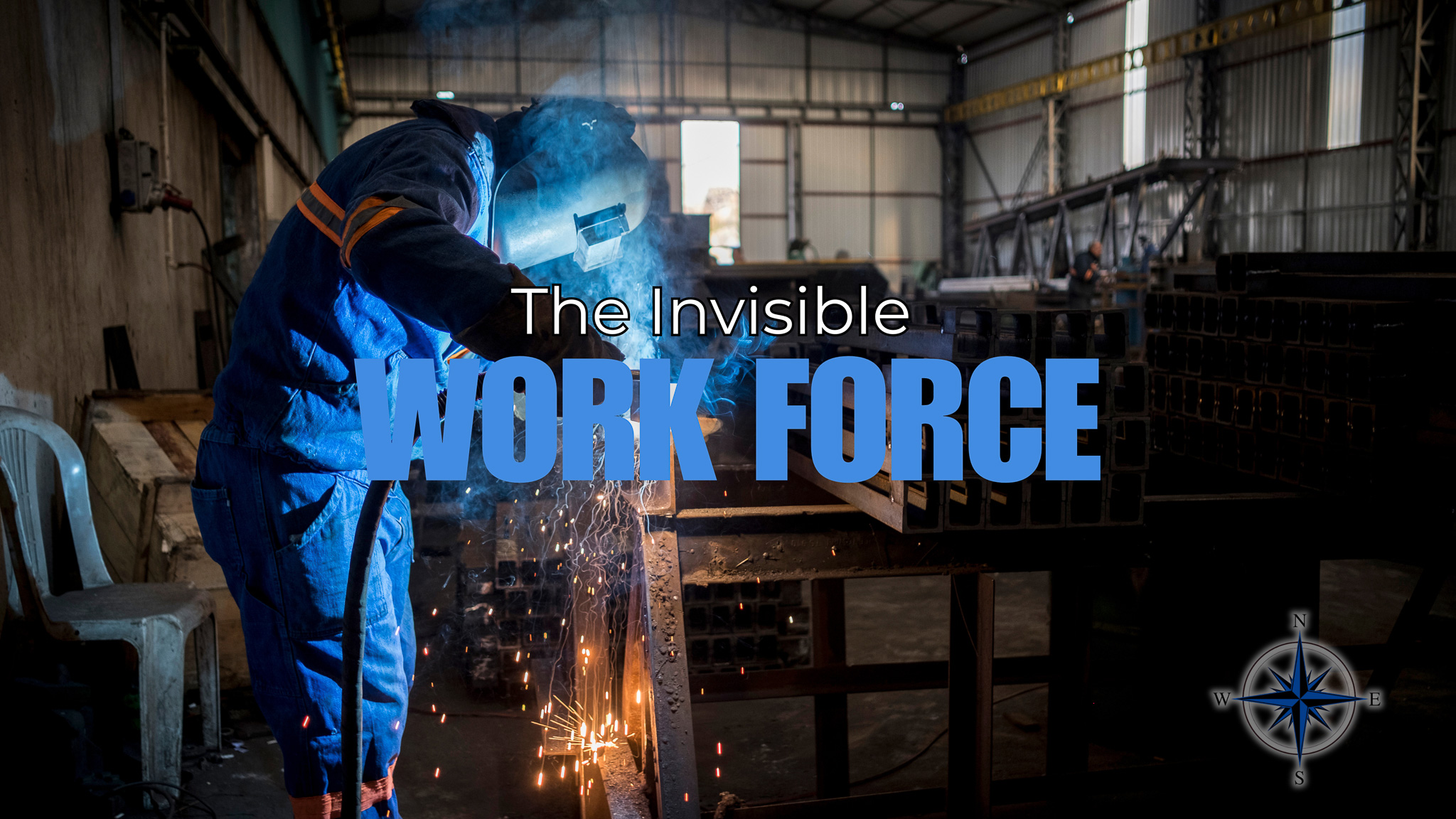
But behind nearly everything we use, consume, drive, build, or depend on is a workforce most people will never see.
Welders.
Electricians.
Pipefitters.
Machinists.
Equipment operators.
Mechanics.
Fabricators.
Maintenance technicians.
Construction workers.
Truck drivers.
Environmental professionals.
And thousands of other skilled men and women working behind the scenes.
At Southern Response Services, we're fortunate to work alongside the industries and people who help keep our country moving.
And sometimes it's worth recognizing just how much of everyday life depends on people wearing hard hats, work boots, safety glasses, and gloves.
Electricity feels almost automatic.
You flip a switch and the lights come on.
You plug in your phone and it charges.
You adjust the thermostat and your home gets cooler.
But electricity doesn't simply appear at an outlet.
Power generation and distribution require massive systems of equipment and infrastructure that must be built, operated, inspected, repaired, and maintained.
Behind those systems are skilled professionals.
Electricians.
Operators.
Maintenance personnel.
Technicians.
Welders.
Mechanics.
Construction crews.
Engineers.
And many others.
The convenience of flipping a switch is possible because somewhere, someone is working to keep the system behind that switch running.
Clean water is another part of life many people rarely think about until it isn't available.
Behind that faucet is infrastructure.
Pumps.
Piping.
Treatment systems.
Electrical equipment.
Storage.
Distribution networks.
And people responsible for maintaining all of it.
Someone installed those systems.
Someone inspects them.
Someone repairs them when something fails.
Someone works in difficult conditions to make sure water continues moving where it needs to go.
Something as simple as filling a glass of water connects us to an entire world of skilled labor.
Drive through almost any city and look around.
Warehouses.
Manufacturing facilities.
Schools.
Hospitals.
Office buildings.
Bridges.
Stores.
Industrial plants.
Homes.
Every structure started as an idea.
Then people had to build it.
Before the finished walls and polished floors, there were crews moving dirt, pouring concrete, installing steel, running electrical systems, welding, plumbing, operating equipment, fabricating materials, and completing countless other tasks.
The finished building may get the attention.
But the workforce that created it is the reason it's standing.
A vehicle contains thousands of components.
Steel has to be produced.
Parts have to be manufactured.
Components have to be machined.
Systems have to be assembled.
Materials have to be transported.
Facilities have to remain operational.
Equipment has to be maintained.
Before a vehicle ever reaches a dealership, countless people across multiple industries have already contributed to it.
The same is true for boats, heavy equipment, farm machinery, construction equipment, and nearly every other machine we depend on.
Manufacturing doesn't happen by itself.
People make it happen.
Walk into a store and look at everything around you.
Food.
Tools.
Clothing.
Electronics.
Building materials.
Cleaning supplies.
Furniture.
Automotive products.
Thousands of items sitting neatly on shelves.
We see the finished product.
What we don't always see is everything required to get it there.
Raw materials had to be sourced.
Products had to be manufactured.
Machines had to operate.
Facilities had to remain running.
Packaging had to be produced.
Products had to be loaded.
Trucks had to move them.
Warehouses had to distribute them.
People were involved at nearly every step.
By the time you place something in your shopping cart, an entire chain of skilled work may have already happened behind it.
Many industrial operations run around the clock.
While most people are sleeping, someone is working.
Night-shift operators are monitoring equipment.
Maintenance crews are completing repairs.
Truck drivers are moving freight.
Manufacturing employees are keeping production lines running.
Crews may be working outages during nights and weekends because that's the only opportunity to complete critical maintenance.
Industrial work doesn't always happen between 8:00 and 5:00.
Sometimes keeping everyday life moving means someone else is working while the rest of the world sleeps.
There's an interesting thing about infrastructure.
When everything works, we barely notice it.
When something stops working, it's suddenly all we can think about.
The power goes out.
Equipment fails.
A production line stops.
A pipe breaks.
A road closes.
A facility shuts down.
Suddenly, everyone wants to know:
How quickly can it be fixed?
That's when the people who may normally work behind the scenes become incredibly important.
Someone has to identify the problem.
Someone has to know how to repair it.
Someone has to have the skill to safely return the system to service.
Those abilities don't appear overnight.
They're built through training, experience, repetition, and years of learning a craft.
There is sometimes a tendency to measure careers by offices, degrees, job titles, or how clean someone's clothes are at the end of the day.
That's a narrow definition of success.
There is tremendous value in knowing how to build something.
Repair something.
Operate something.
Maintain something.
Fabricate something.
Troubleshoot something.
Take something that isn't working and make it work again.
The skilled trades require intelligence, experience, discipline, problem-solving, and attention to detail.
These careers deserve respect because the work itself matters.
In staffing, it's easy to talk about numbers.
Ten welders needed.
Five operators.
Three electricians.
Twenty laborers.
But every one of those numbers represents a person.
Someone with a family.
Someone building a career.
Someone developing a skill.
Someone getting up early, packing a lunch, putting on work boots, and heading to a jobsite.
And on the other side is an employer with a project to complete, a facility to operate, equipment to maintain, or customers depending on them.
Connecting those two sides is what staffing is ultimately about.
Not numbers.
People.
If you work in the skilled trades or industrial world, there may be days when your job feels ordinary.
You've done the same task hundreds of times.
You've walked through the same gate.
Put on the same PPE.
Started the same equipment.
Picked up the same tools.
But the bigger picture matters.
Your work connects to something.
Maybe you're helping manufacture a product.
Maybe you're building infrastructure.
Maybe you're keeping equipment running.
Maybe you're supporting energy production.
Maybe you're repairing something thousands of people depend on.
Maybe you're building something that will still be standing decades from now.
You may not always see the people who eventually benefit from your work.
They may never know your name.
That doesn't make your contribution any less important.
At Southern Response Services, we're proud of the industries we serve.
But more importantly, we're proud of the people behind them.
The skilled men and women who show up.
Who build.
Who repair.
Who maintain.
Who operate.
Who solve problems.
Who work long shifts.
Who work in the heat, cold, rain, dirt, and difficult environments most people never see.
The next time you flip on a light, drive across a bridge, walk into a building, fill up your vehicle, receive a package, or purchase something from a store, remember:
It didn't just appear.
Somewhere along the way, people went to work.
America doesn't simply run on equipment, technology, and infrastructure.
It runs on the people who know how to build it, operate it, and keep it moving.
To every skilled worker doing that work today:
We see you. We appreciate you. And we're proud to serve the industries you keep moving.
Southern Response Services
Connecting hardworking people with the opportunities that keep America moving.