83%
of hires fail due to rushed or passive recruiting.
Top rated specialist

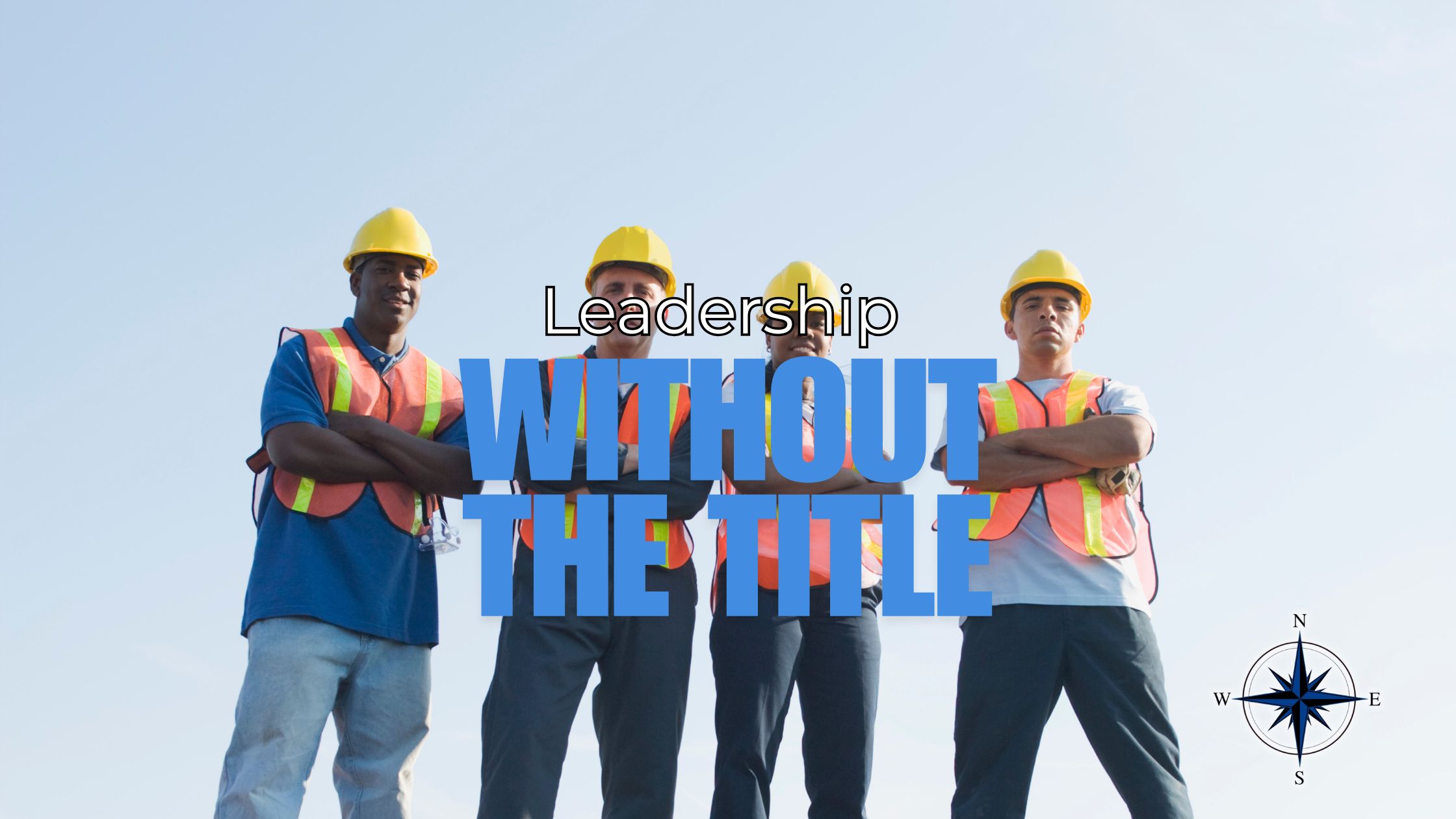
When we hear the word "leader," we often think about titles.
Foreman.
Supervisor.
Superintendent.
Project Manager.
Those positions absolutely carry leadership responsibilities. But spend enough time on an industrial jobsite and you'll quickly realize something:
Some of the most influential leaders don't have a leadership title at all.
They're the people others naturally look toward when something goes wrong.
They're the experienced workers who take time to help someone learn.
They're the employees who stay calm when the schedule gets tight.
They're the ones who speak up when something isn't safe.
They're the people who set the standard through their actions instead of their job title.
At Southern Response Services, we believe leadership can happen at every level of a workforce.
Because leadership isn't only about being in charge.
It's about the influence you have on the people working around you.
You may not realize how much your actions influence the people around you.
If you're an experienced tradesperson, the new employee is watching how you approach the job.
They're watching whether you wear your PPE.
They're watching how you respond when the supervisor gives you instructions.
They're watching how seriously you take quality.
They're watching how you handle frustration.
They're watching whether you take shortcuts.
They're watching how you treat the people around you.
You don't have to stand in front of a crew and give a speech to lead.
Sometimes leadership is simply demonstrating what the standard should look like.
Before you can influence anyone else, you have to handle your own responsibilities.
Show up.
Be prepared.
Know your job.
Work safely.
Communicate.
Take care of your equipment.
Complete your work correctly.
Own your mistakes.
Do what you say you're going to do.
It sounds simple, but consistency creates credibility.
People are much more likely to listen to someone whose actions match their words.
You can't expect everyone else to follow the rules while you're constantly looking for ways around them.
You can't preach quality while cutting corners.
You can't demand accountability while making excuses for yourself.
Leadership starts with the person in the mirror.
There's a difference between being great at your job and making your crew better.
Both are valuable.
But the second one is leadership.
Maybe you're an experienced welder who takes a few minutes to help someone improve their technique.
Maybe you're an operator who explains something to a new employee instead of getting frustrated with them.
Maybe you're a mechanic who walks someone through why a component failed instead of simply replacing it.
Maybe you're the person who notices a coworker struggling and steps in to help.
Knowledge becomes more valuable when it's shared.
The strongest workers don't need everyone around them to know less so they can look better.
They help raise the standard around them.
Leadership sometimes means saying something when staying quiet would be easier.
That is especially true when it comes to safety.
If you see a hazard, address it.
If someone is about to put themselves in a dangerous situation, say something.
If you're asked to do something you don't understand, ask questions.
If equipment doesn't look right, don't assume someone else will handle it.
It doesn't matter whether you've been with the company for 20 years or two weeks.
Safety requires everyone to participate.
Speaking up doesn't mean trying to run the job.
It means caring enough about the people around you to say something when it matters.
Every industrial job has difficult days.
Schedules fall behind.
Weather gets miserable.
Equipment breaks.
Plans change.
People get tired.
Pressure increases.
During those moments, attitudes spread quickly.
One negative person can make a difficult shift feel even longer.
But the opposite is also true.
The worker who stays focused, keeps moving, helps solve problems, and doesn't panic when things change can influence an entire crew.
That doesn't mean pretending everything is perfect.
Good leaders acknowledge problems.
Then they focus on what can be done next.
There's a major difference between saying:
"This is a mess. We're never getting this done."
And saying:
"This isn't what we planned. What do we need to do now?"
One adds to the problem.
The other starts looking for the solution.
Mistakes happen.
Even experienced workers make them.
What separates people is often what happens next.
Do you hide it?
Blame someone else?
Make excuses?
Or do you own it?
Taking responsibility isn't always comfortable.
But it builds trust.
If you made the mistake, acknowledge it.
Help correct it.
Learn from it.
Move forward.
A person who never admits they're wrong isn't demonstrating strength.
The person willing to say, "That's on me. Let's fix it," often earns far more respect.
Accountability is leadership.
A title can give someone authority.
It can't automatically give them respect.
Respect is earned through consistency.
Through competence.
Through fairness.
Through the way you treat people.
Through doing what you say you'll do.
And that applies whether you're running an entire project or working alongside three other people on a crew.
Some workers can influence a room without ever raising their voice.
People listen because they've earned credibility.
That's a powerful form of leadership.
Everybody was new once.
Every experienced tradesperson had a first day.
Every operator had a first time behind the controls.
Every welder struck an arc for the first time.
Every supervisor once had no idea what they were doing.
It's easy to forget that after years in an industry.
The new employee asking questions today could become one of the strongest people on the crew years from now.
How they're treated while learning can make a difference.
That doesn't mean accepting poor effort or ignoring mistakes.
Standards still matter.
But there's a difference between correcting someone and tearing them down.
Teach them.
Hold them accountable.
Explain why something matters.
Give them an opportunity to improve.
That's how strong workers help create the next generation of strong workers.
Anyone can follow the standard when the supervisor is standing beside them.
What happens when they walk away?
Do you still wear the PPE?
Do you still complete the inspection?
Do you still follow the procedure?
Do you still give the same effort?
Do you still care about the quality of the work?
Character is revealed when accountability becomes optional.
The people who consistently do things correctly without needing someone to watch them are often the same people who eventually earn greater responsibility.
They're already demonstrating leadership before the title arrives.
Some workers think leadership begins when someone gives them a title.
It doesn't.
In many cases, the title comes after the leadership has already been demonstrated.
If you want to become a foreman someday, start developing leadership habits now.
If you want to become a supervisor, become someone people already trust.
If you want greater responsibility, demonstrate that you can handle the responsibility you currently have.
Help people.
Communicate.
Solve problems.
Stay accountable.
Learn.
Teach.
Lead by example.
You don't need permission to do those things.
Some of the strongest industrial leaders are people who spent years in the field before moving into leadership.
They remember the long shifts.
They remember working in the heat.
They remember being the new employee.
They remember difficult supervisors.
They remember the people who took time to teach them.
That experience can shape how they lead.
If your career eventually takes you into supervision or management, don't forget where you started.
The people doing the work deserve leaders who understand the work.
You may not have employees reporting to you.
You may not run meetings.
You may not approve schedules.
You may not have a leadership title beside your name.
That doesn't mean you're not leading.
Every day, your actions are influencing someone.
The question is:
What direction are you influencing them?
Are you raising the standard or lowering it?
Are you helping the crew or making the job harder?
Are you encouraging safe work or normalizing shortcuts?
Are you teaching what you know or keeping it to yourself?
Are you bringing solutions or only pointing out problems?
Leadership isn't reserved for the person at the top.
It's demonstrated by people at every level who decide that how they show up matters.
When we hear the word "leader," we often think about titles.
Foreman.
Supervisor.
Superintendent.
Project Manager.
Those positions absolutely carry leadership responsibilities. But spend enough time on an industrial jobsite and you'll quickly realize something:
Some of the most influential leaders don't have a leadership title at all.
They're the people others naturally look toward when something goes wrong.
They're the experienced workers who take time to help someone learn.
They're the employees who stay calm when the schedule gets tight.
They're the ones who speak up when something isn't safe.
They're the people who set the standard through their actions instead of their job title.
At Southern Response Services, we believe leadership can happen at every level of a workforce.
Because leadership isn't only about being in charge.
It's about the influence you have on the people working around you.
You may not realize how much your actions influence the people around you.
If you're an experienced tradesperson, the new employee is watching how you approach the job.
They're watching whether you wear your PPE.
They're watching how you respond when the supervisor gives you instructions.
They're watching how seriously you take quality.
They're watching how you handle frustration.
They're watching whether you take shortcuts.
They're watching how you treat the people around you.
You don't have to stand in front of a crew and give a speech to lead.
Sometimes leadership is simply demonstrating what the standard should look like.
Before you can influence anyone else, you have to handle your own responsibilities.
Show up.
Be prepared.
Know your job.
Work safely.
Communicate.
Take care of your equipment.
Complete your work correctly.
Own your mistakes.
Do what you say you're going to do.
It sounds simple, but consistency creates credibility.
People are much more likely to listen to someone whose actions match their words.
You can't expect everyone else to follow the rules while you're constantly looking for ways around them.
You can't preach quality while cutting corners.
You can't demand accountability while making excuses for yourself.
Leadership starts with the person in the mirror.
There's a difference between being great at your job and making your crew better.
Both are valuable.
But the second one is leadership.
Maybe you're an experienced welder who takes a few minutes to help someone improve their technique.
Maybe you're an operator who explains something to a new employee instead of getting frustrated with them.
Maybe you're a mechanic who walks someone through why a component failed instead of simply replacing it.
Maybe you're the person who notices a coworker struggling and steps in to help.
Knowledge becomes more valuable when it's shared.
The strongest workers don't need everyone around them to know less so they can look better.
They help raise the standard around them.
Leadership sometimes means saying something when staying quiet would be easier.
That is especially true when it comes to safety.
If you see a hazard, address it.
If someone is about to put themselves in a dangerous situation, say something.
If you're asked to do something you don't understand, ask questions.
If equipment doesn't look right, don't assume someone else will handle it.
It doesn't matter whether you've been with the company for 20 years or two weeks.
Safety requires everyone to participate.
Speaking up doesn't mean trying to run the job.
It means caring enough about the people around you to say something when it matters.
Every industrial job has difficult days.
Schedules fall behind.
Weather gets miserable.
Equipment breaks.
Plans change.
People get tired.
Pressure increases.
During those moments, attitudes spread quickly.
One negative person can make a difficult shift feel even longer.
But the opposite is also true.
The worker who stays focused, keeps moving, helps solve problems, and doesn't panic when things change can influence an entire crew.
That doesn't mean pretending everything is perfect.
Good leaders acknowledge problems.
Then they focus on what can be done next.
There's a major difference between saying:
"This is a mess. We're never getting this done."
And saying:
"This isn't what we planned. What do we need to do now?"
One adds to the problem.
The other starts looking for the solution.
Mistakes happen.
Even experienced workers make them.
What separates people is often what happens next.
Do you hide it?
Blame someone else?
Make excuses?
Or do you own it?
Taking responsibility isn't always comfortable.
But it builds trust.
If you made the mistake, acknowledge it.
Help correct it.
Learn from it.
Move forward.
A person who never admits they're wrong isn't demonstrating strength.
The person willing to say, "That's on me. Let's fix it," often earns far more respect.
Accountability is leadership.
A title can give someone authority.
It can't automatically give them respect.
Respect is earned through consistency.
Through competence.
Through fairness.
Through the way you treat people.
Through doing what you say you'll do.
And that applies whether you're running an entire project or working alongside three other people on a crew.
Some workers can influence a room without ever raising their voice.
People listen because they've earned credibility.
That's a powerful form of leadership.
Everybody was new once.
Every experienced tradesperson had a first day.
Every operator had a first time behind the controls.
Every welder struck an arc for the first time.
Every supervisor once had no idea what they were doing.
It's easy to forget that after years in an industry.
The new employee asking questions today could become one of the strongest people on the crew years from now.
How they're treated while learning can make a difference.
That doesn't mean accepting poor effort or ignoring mistakes.
Standards still matter.
But there's a difference between correcting someone and tearing them down.
Teach them.
Hold them accountable.
Explain why something matters.
Give them an opportunity to improve.
That's how strong workers help create the next generation of strong workers.
Anyone can follow the standard when the supervisor is standing beside them.
What happens when they walk away?
Do you still wear the PPE?
Do you still complete the inspection?
Do you still follow the procedure?
Do you still give the same effort?
Do you still care about the quality of the work?
Character is revealed when accountability becomes optional.
The people who consistently do things correctly without needing someone to watch them are often the same people who eventually earn greater responsibility.
They're already demonstrating leadership before the title arrives.
Some workers think leadership begins when someone gives them a title.
It doesn't.
In many cases, the title comes after the leadership has already been demonstrated.
If you want to become a foreman someday, start developing leadership habits now.
If you want to become a supervisor, become someone people already trust.
If you want greater responsibility, demonstrate that you can handle the responsibility you currently have.
Help people.
Communicate.
Solve problems.
Stay accountable.
Learn.
Teach.
Lead by example.
You don't need permission to do those things.
Some of the strongest industrial leaders are people who spent years in the field before moving into leadership.
They remember the long shifts.
They remember working in the heat.
They remember being the new employee.
They remember difficult supervisors.
They remember the people who took time to teach them.
That experience can shape how they lead.
If your career eventually takes you into supervision or management, don't forget where you started.
The people doing the work deserve leaders who understand the work.
You may not have employees reporting to you.
You may not run meetings.
You may not approve schedules.
You may not have a leadership title beside your name.
That doesn't mean you're not leading.
Every day, your actions are influencing someone.
The question is:
What direction are you influencing them?
Are you raising the standard or lowering it?
Are you helping the crew or making the job harder?
Are you encouraging safe work or normalizing shortcuts?
Are you teaching what you know or keeping it to yourself?
Are you bringing solutions or only pointing out problems?
Leadership isn't reserved for the person at the top.
It's demonstrated by people at every level who decide that how they show up matters.
At Southern Response Services, we're proud to work with skilled men and women across industrial, technical, environmental, and skilled-trade environments.
We know companies need talented employees.
But strong companies also need people willing to lead from wherever they stand.
People who set the example.
People who help others improve.
People who speak up.
People who take ownership.
People who can be counted on.
Because a title might tell people who the supervisor is.
Your actions tell people whether you're a leader.
Wherever you're working today, don't wait for a promotion to make an impact.
Lead where you are.
Southern Response Services
Connecting skilled people. Developing stronger workforces. Keeping industry moving.
People who set the example.
People who help others improve.
People who speak up.
People who take ownership.
People who can be counted on.
Because a title might tell people who the supervisor is.
Your actions tell people whether you're a leader.
Wherever you're working today, don't wait for a promotion to make an impact.
Lead where you are.
Southern Response Services
Connecting skilled people. Developing stronger workforces. Keeping industry moving.