83%
of hires fail due to rushed or passive recruiting.
Top rated specialist

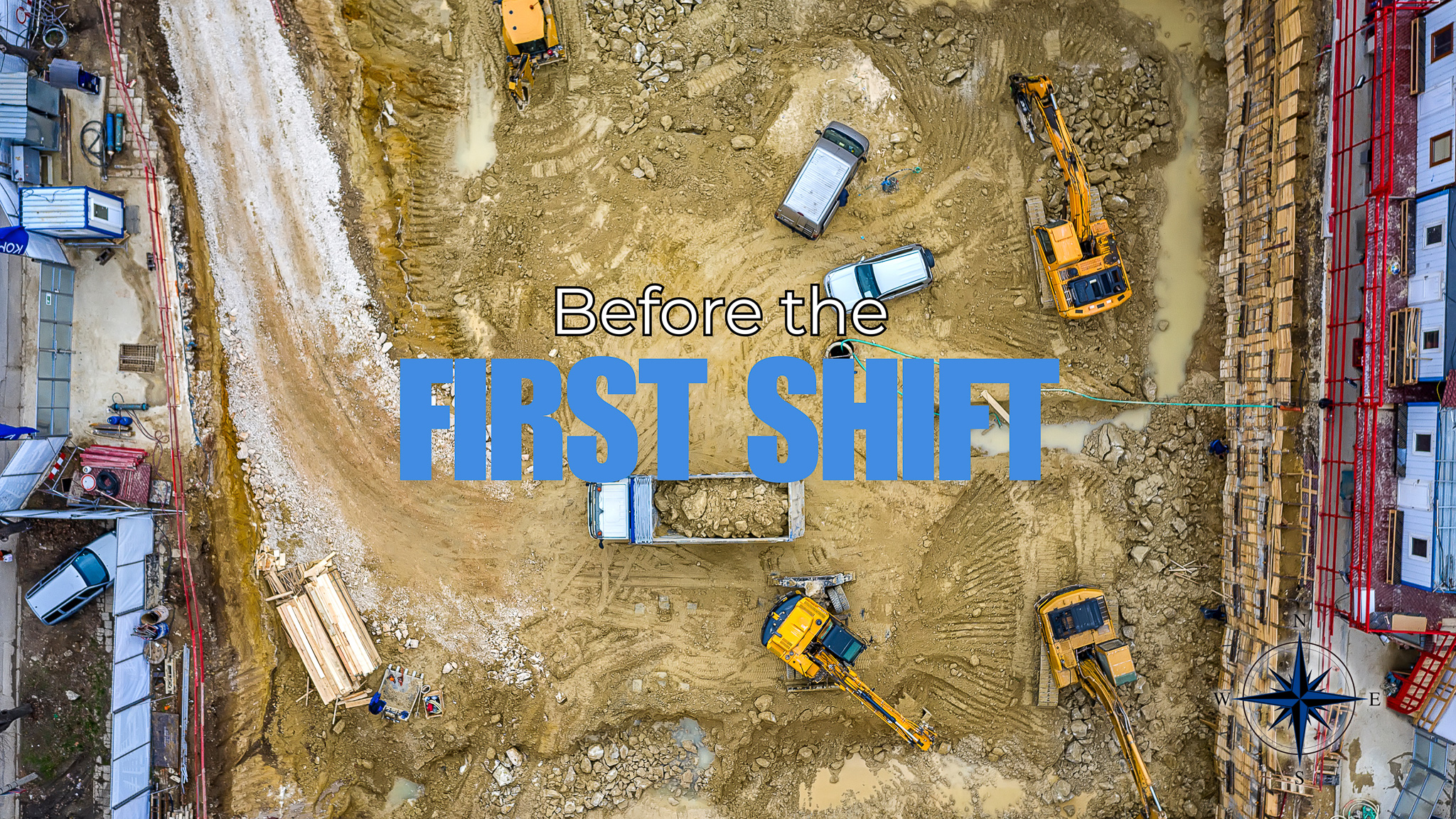
When you see someone working inside a shipyard, manufacturing facility, refinery, construction project, power facility, or other industrial environment, you're seeing the final step of a process that started long before they clocked in.
Before the hard hat goes on, there may be applications to complete.
Experience to verify.
Certifications to review.
Safety requirements to meet.
Drug screens or other client requirements to complete.
Travel arrangements to make.
Paperwork to process.
And plenty of communication along the way.
For someone searching for their next industrial opportunity, getting hired can sometimes feel like the finish line.
In reality, it's the starting line.
At Southern Response Services, our recruiters work to help qualified people navigate the process from initial conversation to arriving ready for their first shift.
And there's a lot that can happen in between.
It usually starts with an opening.
A company needs welders.
A project needs pipefitters.
A facility needs an operator.
A contractor needs electricians.
A client needs a specialized position filled.
The recruiter then begins searching for people whose experience matches what the job actually requires.
This is where accurate information becomes extremely important.
Your resume shouldn't simply list job titles.
It should help someone understand what you've actually done.
What equipment have you operated?
What environments have you worked in?
What processes are you familiar with?
What certifications do you hold?
How many years have you performed that type of work?
The clearer your experience is, the easier it becomes for a recruiter to determine whether an opportunity may be a good match.
A recruiter reaches out.
Maybe you've been applying for several jobs and this feels like another phone call.
Treat it like an opportunity.
Answer professionally.
If you miss the call, return it.
Be prepared to talk about your experience.
Ask questions about the position.
Be honest about your availability.
If you're interested, communicate that clearly.
Recruiters may be working on positions that need to move quickly. If they can't reach you, they may have no choice but to continue contacting other qualified candidates.
That doesn't mean you need to keep your phone in your hand every second of the day.
It means communication matters.
A simple returned phone call can sometimes be the difference between being considered for an opportunity and missing it.
Not every industrial position with a similar title requires the same experience.
Two jobs may both say "operator" while requiring completely different equipment experience.
Two welding positions may involve different processes, materials, testing requirements, or environments.
An electrician who is highly experienced in one setting may not automatically have the experience required for another.
That's why recruiters ask questions.
They're not trying to make the process difficult.
They're trying to understand whether your experience matches what the client needs.
The more honest and detailed you are, the better everyone can determine whether the opportunity makes sense.
Depending on the position and jobsite, certain credentials may be required before a worker can begin.
These requirements can vary significantly between industries, clients, and projects.
The important thing for workers is knowing what they currently have.
Keep track of your certifications.
Know when they expire.
Keep copies of important documents when appropriate.
Don't wait until the day before a job starts to discover something has expired.
Being organized can make the onboarding process much easier when an opportunity moves quickly.
And in industrial staffing, opportunities can sometimes move very quickly.
Finding a qualified candidate is only one piece of the process.
The jobsite itself may have additional requirements that must be completed before someone can report to work.
Depending on the client and position, this could include screenings, orientations, testing, paperwork, credential verification, site-specific requirements, or other onboarding steps.
These requirements exist for a reason.
Industrial facilities can involve heavy equipment, hazardous environments, controlled areas, specialized processes, and strict safety procedures.
Companies need to know that the people entering those environments meet their requirements.
Completing these steps promptly helps keep the process moving.
Safety isn't something that suddenly starts when your boots touch the jobsite.
Preparation is part of safety.
Do you understand what PPE you'll need?
Do you know where you're reporting?
Do you understand the site's basic requirements?
Are you physically and mentally prepared for the schedule?
Have you asked questions about anything you don't understand?
Showing up unprepared can create unnecessary confusion on the first day.
Showing up informed allows you to focus on learning the jobsite and performing your responsibilities safely.
Many industrial opportunities require workers to travel.
That can create additional considerations.
Where are you staying?
How long is the assignment expected to last?
What should you bring?
When do you need to arrive?
What expenses are your responsibility?
What does the job's travel or per diem structure look like, if applicable?
What happens if the project schedule changes?
These are questions worth understanding before leaving home.
Traveling industrial workers know that preparation can make life on the road significantly easier.
Pack appropriately.
Understand the assignment.
Plan your route.
Know where you're going.
And give yourself enough time to arrive when you're supposed to.
One of the easiest ways to create problems during the hiring process is to stop communicating.
If you've accepted an opportunity and something changes, tell your recruiter.
Maybe another job came through.
Maybe transportation fell through.
Maybe you had a family situation arise.
Maybe you simply decided the opportunity isn't right for you.
Communicate.
A recruiter may have spent significant time getting you through the process, and the client may be planning around your arrival.
Problems are much easier to address when everyone knows what's happening.
Silence doesn't solve anything.
There's no prize for pretending you understand something you don't.
If you're unsure about the schedule, ask.
If you don't know where to report, ask.
If you're confused about required PPE, ask.
If you don't understand the length of the assignment, ask.
If you're unclear about something related to your onboarding, ask.
It's much better to clarify something beforehand than discover a misunderstanding when you're supposed to be reporting for your first shift.
A good recruiter wants you prepared.
Your success reflects on everyone involved.
From the candidate's perspective, the hiring process may sometimes look like a series of phone calls and paperwork.
Behind the scenes, recruiters may be coordinating with clients, reviewing qualifications, communicating requirements, gathering information, tracking onboarding steps, answering questions, and preparing workers for their assignments.
That's why the recruiter-worker relationship works best as a partnership.
Answer the phone.
Provide accurate information.
Complete requested steps promptly.
Ask questions.
Keep your recruiter informed.
When both sides communicate, the entire process becomes smoother.
You've completed everything.
You're cleared.
Your start date is confirmed.
Now it's time to prepare.
Don't wait until five minutes before leaving to figure everything out.
Set your alarm.
Prepare your clothes and PPE.
Make sure you have what you need.
Check your route.
Know how long the drive takes.
Give yourself additional time if you're unfamiliar with the facility.
Get some rest.
Your goal shouldn't be to slide through the gate one minute before you're supposed to report.
Your goal should be to arrive prepared.
After the applications, phone calls, paperwork, screenings, preparation, and communication, the first shift finally arrives.
Now a different process begins.
You start learning the people.
The expectations.
The facility.
The equipment.
The procedures.
The culture.
And the job itself.
Everything that happened beforehand was designed to get you to this moment ready to work.
What happens next is up to you.
Industrial careers are built one opportunity at a time.
Sometimes those opportunities come with weeks of notice.
Sometimes they move quickly.
Workers who keep their information current, maintain their credentials, communicate well, and stay prepared are in a much better position when the right opportunity appears.
At Southern Response Services, our job isn't simply to tell someone there's an opening.
We work to connect qualified people with opportunities and help move them through the process toward their first day on the job.
Because before the first weld is made, the first machine starts running, or the first tool comes out of the box, there's work that has already been done.
Be ready. Stay prepared. Communicate. And when the opportunity comes, make the most of it.
Southern Response Services
Connecting skilled people with the opportunities that keep industry moving.