83%
of hires fail due to rushed or passive recruiting.
Top rated specialist

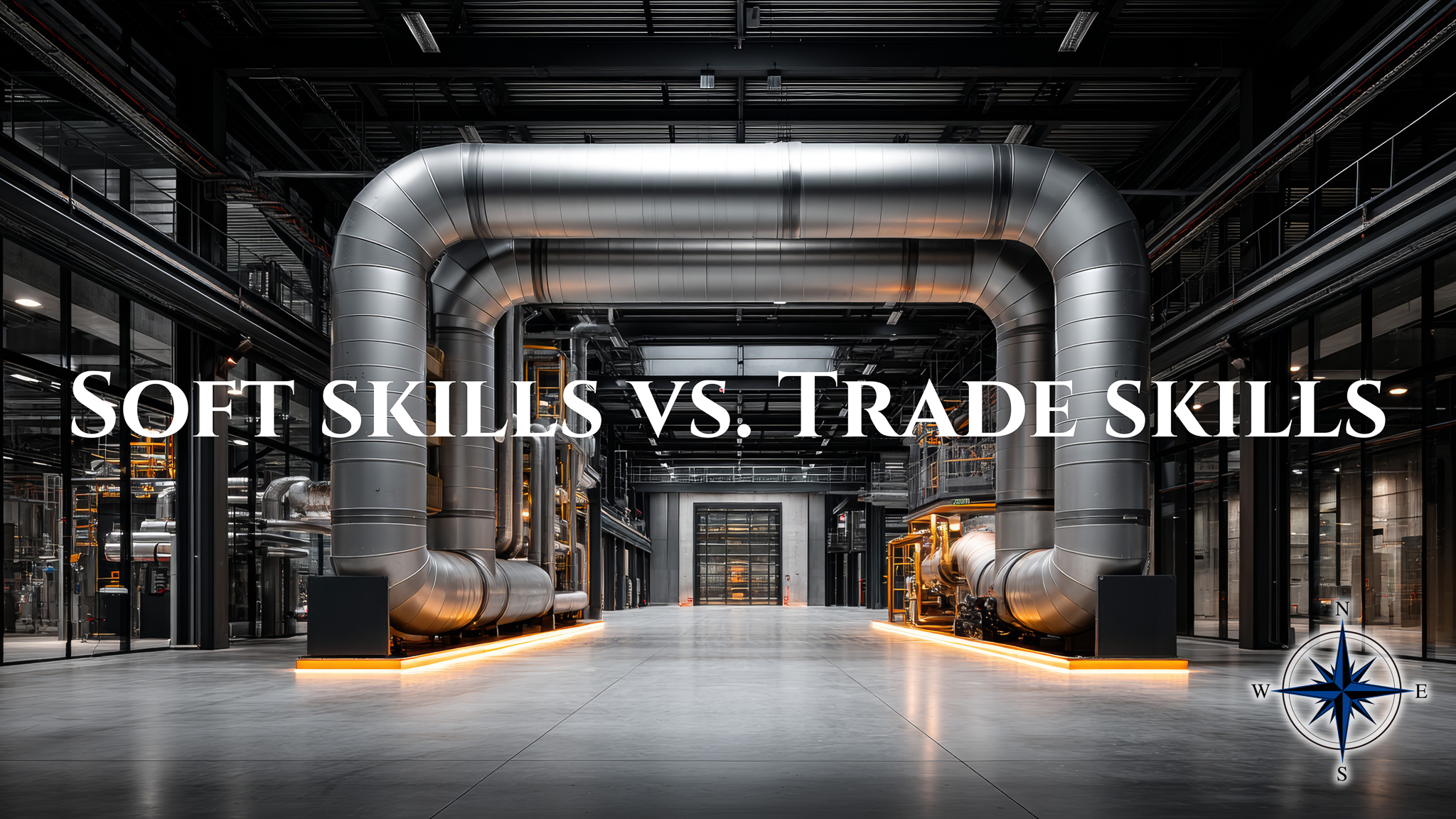
In the industrial world, certifications, experience, and technical ability often get the most attention. Companies need welders who can pass weld tests, pipefitters who can read blueprints, and millwrights who can troubleshoot complex equipment. While these hard skills are critical, there is another factor that often determines long-term success on the job site: soft skills.
At Southern Response Services, we've seen firsthand that some of the most successful trades professionals aren't just skilled with their hands—they excel at communication, teamwork, accountability, and professionalism. These soft skills often separate good workers from great ones.
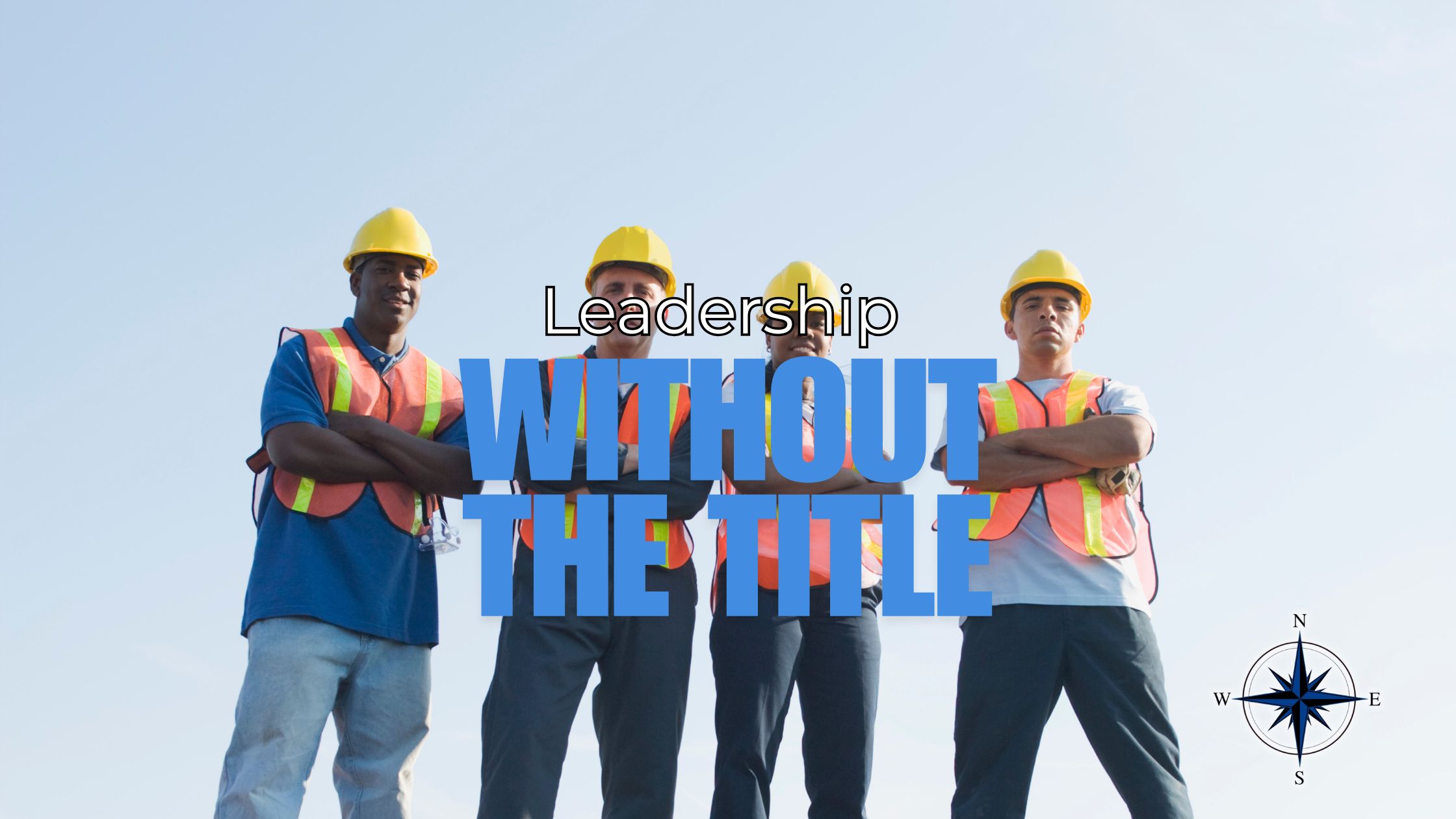
Industrial projects rely heavily on collaboration. Whether it's a shutdown, outage, maintenance project, or new construction build, multiple trades must work together to complete the job safely and efficiently. Workers who communicate clearly, listen effectively, and work well with others help keep projects moving forward.
Accountability is another essential soft skill. On industrial job sites, every task matters. When workers take ownership of their responsibilities, show up prepared, and follow through on commitments, supervisors gain confidence in their abilities. This trust often leads to additional opportunities, leadership roles, and long-term career growth.
Adaptability has become increasingly important in today's workforce as well. Job sites change, project scopes evolve, and unexpected challenges arise. Workers who can adjust quickly, maintain a positive attitude, and stay focused on solutions become valuable assets to any team.
Professionalism also plays a major role in career advancement. Respecting coworkers, following safety procedures, arriving on time, and maintaining a strong work ethic all contribute to a worker's reputation. In many cases, employers remember professionalism long after they remember technical accomplishments.
For employers, hiring workers with strong soft skills can significantly improve job site culture and productivity. Teams that communicate effectively and work together efficiently experience fewer conflicts, better safety performance, and stronger project outcomes.
At Southern Response Services, we look beyond resumes and certifications. While technical qualifications are important, we also evaluate traits such as reliability, attitude, communication, and professionalism. These qualities often indicate how successful a candidate will be once they arrive on site.
The reality is that technical skills may get a worker hired, but soft skills often determine how far they go in their career. Employers want team members they can trust, crews want coworkers they can depend on, and projects succeed when people work together effectively.
In the skilled trades industry, success is built on more than just what you know—it's also built on how you work with others. That's why soft skills remain one of the most valuable tools any industrial professional can bring to the job site.