83%
of hires fail due to rushed or passive recruiting.
Top rated specialist

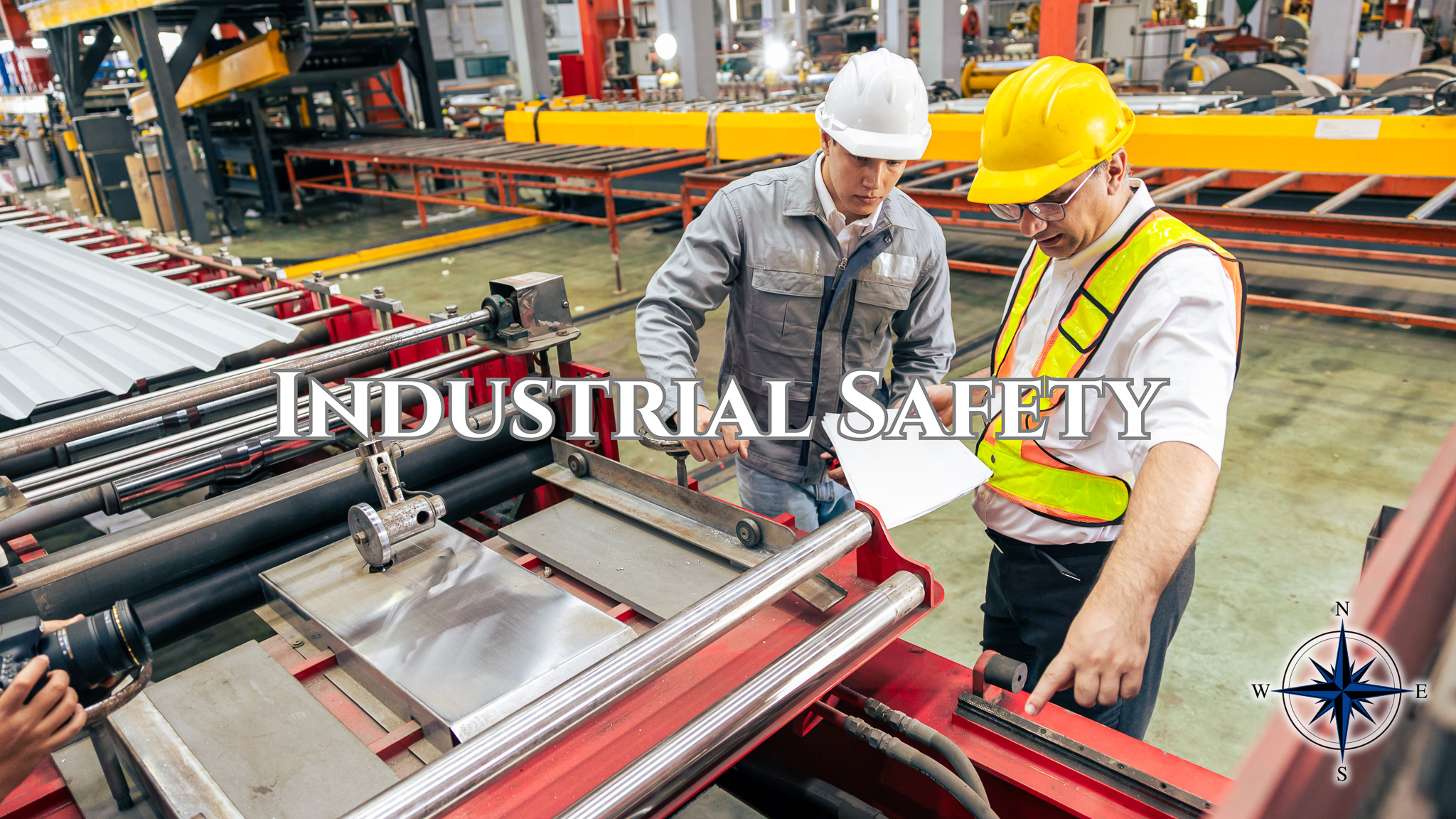
When most people think about workplace safety, hard hats, safety glasses, and steel-toe boots often come to mind. While those pieces of personal protective equipment are essential, true safety in the industrial world goes much deeper than what's worn on the jobsite. It lives in the decisions workers make every day, the conversations they have with one another, and the awareness they bring to every task.
As summer temperatures climb and projects continue at full speed, two of the biggest threats facing industrial workers become increasingly important to address: heat-related illnesses and situational awareness. At Southern Response Services, we know that deadlines matter and production goals are important, but nothing is more valuable than making sure every employee goes home safely at the end of the day.
Heat is something many workers simply learn to expect. Whether you're working in a shipyard, on a construction site, inside a manufacturing facility, or during a plant shutdown, hot conditions often come with the territory. Because of that, it's easy to underestimate just how dangerous excessive heat can become.
Heat stress occurs when the body's natural cooling system can't keep up with environmental conditions and physical demands. Long hours, heavy exertion, protective equipment, and high humidity can all contribute to dangerous increases in body temperature. What begins as mild discomfort can quickly progress into a serious medical emergency if warning signs aren't recognized.
Many workers have experienced heat rash or muscle cramps and shrugged them off as part of the job. Others may push through headaches, dizziness, nausea, or fatigue because they don't want to slow production or appear unable to handle the workload. Unfortunately, these symptoms can be early signs of heat exhaustion. Left untreated, heat exhaustion can develop into heat stroke, a life-threatening condition that requires immediate medical attention.
The good news is that most heat-related illnesses are preventable.
One of the simplest and most effective ways to protect yourself is to stay hydrated. Waiting until you're thirsty often means you're already behind. Drinking water consistently throughout the workday helps regulate body temperature and replace fluids lost through sweating. Workers should also be mindful of excessive caffeine and energy drink consumption, as both can contribute to dehydration when consumed in large amounts.
Rest is equally important. Taking scheduled breaks in shaded or air-conditioned areas allows the body an opportunity to recover before overheating occurs. As temperatures and humidity rise, increasing the frequency of those breaks may be necessary. Supervisors and crews should work together to rotate physically demanding tasks whenever possible and monitor one another for signs of heat stress.
New employees and workers returning from time away deserve particular attention. Acclimating to extreme temperatures takes time. The body gradually adjusts to working in the heat, and rushing that process can significantly increase the risk of illness. Creating an environment where workers feel comfortable speaking up when they aren't feeling well is an important part of any effective safety program.
But heat isn't the only hazard workers face.
One of the most overlooked aspects of industrial safety is situational awareness. In an industry filled with moving equipment, elevated work, suspended loads, energized systems, and constantly changing conditions, awareness can often be the difference between a normal day and a catastrophic incident.
Complacency is one of safety's greatest enemies. The longer someone performs the same task, the easier it becomes to slip into autopilot. Experienced workers may stop noticing hazards they once carefully avoided. Fatigue can dull judgment. Tight schedules can encourage shortcuts. Distractions can pull attention away from the task at hand. It doesn't take much for a routine job to become dangerous.
Situational awareness simply means staying mentally engaged with your environment. It means asking questions, evaluating risks, and remaining alert to changes around you. Before beginning a task, workers should take a moment to consider what could go wrong and what safeguards are in place to prevent it. Conditions that existed yesterday may not be the same today.
Strong communication also plays a major role in maintaining awareness. Safety isn't an individual responsibility; it's a team effort. Looking out for the people beside you can save lives. If a coworker appears unusually fatigued, confused, overheated, or distracted, speaking up may prevent an injury before it occurs. Likewise, every employee should feel empowered to stop work if something doesn't seem right. Asking questions and addressing concerns should never be viewed as weakness. In reality, it's one of the strongest commitments a worker can make to the safety of the entire crew.
Building a culture of safety requires more than annual training sessions and written procedures. It requires leadership that genuinely values people over production and employees who understand that safety is everyone's responsibility. It means having difficult conversations, reinforcing expectations, recognizing positive behaviors, and never becoming complacent simply because "nothing has happened before."
At Southern Response Services, we believe that the men and women who step onto jobsites each day are our greatest asset. Whether we're supporting a shutdown project, staffing a manufacturing facility, or placing skilled trades professionals across the country, our commitment remains the same: provide opportunities that allow people to build better lives while ensuring they have the tools, knowledge, and support necessary to work safely.
As temperatures continue to rise and workloads remain demanding, now is the perfect time to refocus on the fundamentals. Drink more water than you think you need. Take the breaks your body requires. Pay attention to changing conditions. Watch out for your coworkers. And never be afraid to speak up when something doesn't feel right.
At the end of the day, safety isn't about policies hanging on a bulletin board. It's about protecting the people who count on us most. It's about making sure that every worker who clocks in has the opportunity to clock out and return home to their families.
Because at Southern Response Services, we believe the most important part of any job is making it home safely.